When treating insomnia, it’s important to start with the basics. For many people, simple lifestyle changes can result in drastic changes in sleep quality. Here are some medication and supplement-free ways to improve your night’s sleep.
When treating insomnia, it’s important to start with the basics. For many people, simple lifestyle changes can result in drastic changes in sleep quality. Here are some medication and supplement-free ways to improve your night’s sleep.
Here’s a family favorite recipe, that’s only 30 minutes to make! Enjoy!
In my practice, I see how important diet is in influencing our health. Unfortunately in main stream medicine, diet is often overlooked when discussing patient’s treatment plans. What I find even more baffling is when it comes to treating gastrointestinal disorders such as inflammatory bowel disease (Chron’s disease and Ulcerative colitis), patients are often told that what you eat doesn’t matter. Well, I am here to tell you that it 100% does matter. Let’s look at some research that backs up my statement.
Chemicals used in packaging may play role in 100,000 US deaths a year! A new study published in the journal Environmental Pollution showed that daily exposure to phthalates, also known as plasticizers, may lead to hundreds to thousands of early deaths each year among older adults in the US.
Chances are you know of someone (maybe yourself!) that experiences negative symptoms after eating certain foods but after being tested by an allergist they are told they don’t have any food allergies. So what is the reaction that is occurring after eating and is it all in your head?
Ashwagandha (Withania somnifera), a traditional medicine in Ayurveda, is an evergreen shrub that grows in Asia and Africa. It is also known as Indian ginseng.
Ashwagandha is an herb that helps the body deal with stress. It has a long history of being useful for insomnia, anxiety, and aging. In addition, ashwagandha contains phyto-chemicals that have been shown to calm the mind, lower blood pressure, and modulate immune function. Patients who have immune disorders should seek out a professional advice via a licensed naturopathic physician before using ashwagandha due to its potent immune modulating effects and therefore can interact with any immune suppressing medications.
Even though this herb has been used for centuries in Ayurvedic medicine, recently it has gained popularity due to its effects on the thyroid. Clinically, I see many patients present with hypothyroid symptoms (fatigue, unexplained weight gain, hair loss, dry skin, and/or constipation) but all their thyroid lab tests return as normal. This is always very frustrating for patients since their conventional medical doctor then dismiss them even though their laundry list of symptoms persist.
Ashwagandha has been shown to be effective in helping with these subclinical hypothyroid symptoms. An article published in the Journal of Alternative and Complementary Medicine in 2018 showed that patients who took 600 mg of ashwagandha extract daily for 8 weeks showed significant improvements in their subclinical hypothyroid symptoms as well as improving their thyroid lab tests.
One way that ashwagandha may improve thyroid function is by lowering serum cortisol. Chronic stress increases cortisol levels which can suppress thyroid function. A study published in 2012 showed that taking 300mg 2x/day of ashwagandha after only 60 days of use significantly reduced serum cortisol levels.
More studies are needed to fully understand the effect of ashwagandha on thyroid function. In the meantime, ashwagandha may be a solution for you.
ABOUT THE AUTHOR
Since 2005, Dr. Fey has helped women, men, and children find real solutions to their health concerns. She truly believes that giving the proper care and nutrients your body has an amazing ability to heal. She is committed to finding the root cause of illness by utilizing a whole body approach not just focusing solely on presenting symptoms. With her scientific background, Dr. Fey uses science based natural approaches to treating disease.
Dr. Amanda Fey is the owner and practicing Naturopathic Doctor at Complementary Medicine & Healing Arts, the Southern Tiers Center for Natural Healthcare located in the Binghamton NY area. The office website is www.naturallywell.us. Dr. Fey is currently offering telemedicine for patients all across the US. To contact the office, call 607-729-0591 or email cmhahealth@gmail.com.
REFERENCES
https://pubmed.ncbi.nlm.nih.gov/28829155/
https://pubmed.ncbi.nlm.nih.gov/33338583/
https://pubmed.ncbi.nlm.nih.gov/8866726/
https://pubmed.ncbi.nlm.nih.gov/23439798/
Have you heard of or ever tried using the supplement acetyl-l-carnitine?
Low carb diets are a win for people suffering from conditions like diabetes, polycystic ovarian syndrome (PCOS), and metabolic syndrome; as well as people who are looking to shed a few pounds. Many patients I see already come into my office on a low carb diet. However, I see many people still eating foods that they think are low carb and that really aren’t.
Boron is a trace mineral that plays an important role in numerous biological functions, most significantly in maintaining bone health. Here are three ways boron can be a beneficial for your bones.
Did you know that more than 50% of Americans are magnesium deficient? More than 60% of US adults do not consume the average requirement of magnesium in their diet? Here is a break down the different types of magnesium you can take supplementally and for what conditions.
Rhodiola rosea, also known as golden root, rose root, or arctic root, is a plant from Siberia that grows well in dry and cold arctic climates. The root of the plant is used for medicinal purposes. Its root contains more than 140 active ingredients, the two most potent of which are rosavin and salidroside. Rhodiola is known as being an adaptogen, meaning it helps you adapt to physical and emotional stress when consumed.
This herb is one I would consider as “friendly”. I rarely find side effects in individuals I prescribe it to, and it “plays nicely” with other herbs and medications. I use rhodiola for men, women, and adolescent children for a variety of health reasons. Here are 3 science based health benefits of rhodiola rosea:
RHODIOLA CAN REDUCE SYMPTOMS OF DEPRESSION
Research has shown that rhodiola may stimulate serotonin, norepinephrine and dopamine activity (1).
In one six-week study on the effectiveness of rhodiola on symptoms of depression, 89 people with mild or moderate depression were randomly assigned to receive either 340 mg or 680 mg of rhodiola extract or a placebo pill daily. Both rhodiola groups experienced significant improvements in overall depression, insomnia and emotional stability, whereas the placebo group showed no improvements (2).
A study published in the journal Phytomedicine in 2015 compared rhodiola extract vs sertraline for mild to moderate depressive disorder. 57 subjects were randomized to 12 weeks of standardized rhodiola extract, sertraline, or placebo. After the 12 weeks, rhodiola produced less antidepressant effects vs sertraline, but it also resulted in significantly less side effects and was overall better tolerated. Concluding that although less effective than sertraline, rhodiola may possess a more favorable risk to benefit ratio for individuals with mild to moderate depression (3).
RHODIOLA CAN REDUCE SYMPTOMS OF FATIGUE
A study published in 2017 showed that taking 400 mg per day for 8 weeks significantly reduced symptoms of fatigue and weakness. After 1 week of usage, patients noticed a reduction in their fatigue symptoms with optimal reduction being observed at 8 weeks (4).
A study published in 2009 showed that taking 576 mg of rhodiola extract per day vs placebo exerted an anti-fatigue effect that increased mental concentration, and a decreased cortisol response to stress in burnout patients with chronic fatigue syndromes (5).
RHODIOLA CAN IMPROVE PHYSICAL AND MENTAL PERFORMANCE
Rhodiola has been looked at extensively for its impact on exercise performance. A study published in 2013 found that giving rhodiola extract 1 hour before a 6-mile bicycle race showed better heart rate response and improved exercise performance vs. its carbohydrate placebo (6).
Interestingly, a study published in 2018 showed that giving rhodiola extract for 4 weeks prior to cognitive testing and physical exertion had significant improvements especially in mental performance (hello student exams!) (7).
When buying supplements be sure to buy from quality assured brands, and be sure to look at the labels of these supplements to ensure they contain a standardized amount of 3% rosavins and 1% salidrosides. In summary, the optimal dose of rhodiola for improving symptoms of stress, fatigue or depression is 400–600 mg per day. If you’re after rhodiola’s performance-enhancing effects, take 200–300 mg an hour or two before exercise. In addition due to rhodiola’s stimulatory effect, I wouldn’t recommend taking it before bed.
REFERENCES
https://pubmed.ncbi.nlm.nih.gov/30659561/
https://pubmed.ncbi.nlm.nih.gov/17990195/
https://pubmed.ncbi.nlm.nih.gov/25837277/
https://pubmed.ncbi.nlm.nih.gov/28219059/
https://pubmed.ncbi.nlm.nih.gov/19016404/
https://pubmed.ncbi.nlm.nih.gov/23443221/
https://pubmed.ncbi.nlm.nih.gov/30450257/
ABOUT THE AUTHOR
Since 2005, Dr. Fey has helped women, men, and children find real solutions to their health concerns. She truly believes that giving the proper care and nutrients your body has an amazing ability to heal. She is committed to finding the root cause of illness by utilizing a whole body approach not just focusing solely on presenting symptoms. With her scientific background, Dr. Fey uses science based natural approaches to treating disease.
Dr. Amanda Fey is the owner and practicing Naturopathic Doctor at Complementary Medicine & Healing Arts, the Southern Tiers Center for Natural Healthcare located in the Binghamton NY area. The office website is www.naturallywell.us. Dr. Fey is currently offering telemedicine for patients all across the US. To contact the office, call 607-729-0591 or email cmhahealth@gmail.com.
More and more people are being told by their doctor that they have a fatty liver. What does that mean? What is causing it? How do you fix it?
Polycystic ovary syndrome (PCOS) is a condition characterized by hormonal imbalances, irregular periods, and/or the development of small cysts on one or both ovaries.
An article published in 2014 in the International Journal of Preventive Medicine showed a link between low fat dairy consumption and PCOS . (1)
In addition, a 2015 study published in the Journal of Obesity and Weight Loss Therapy found that a low starch/low dairy diet resulted in weight loss, improved insulin resistance, and reduced testosterone levels in women with PCOS. (2)
Why?
Eating low fat dairy can increase levels of insulin growth factor which has been linked to PCOS.
Milk contains growth stimulating hormones which increases androgens (ie. testosterone).
Interestingly, compared to low-fat dairy products, whole milk and fat-rich dairy products have a higher estrogen concentration. Since estrogen can decrease insulin growth factor, consumption of whole milk dairy has not been associated with PCOS.
Bottomline
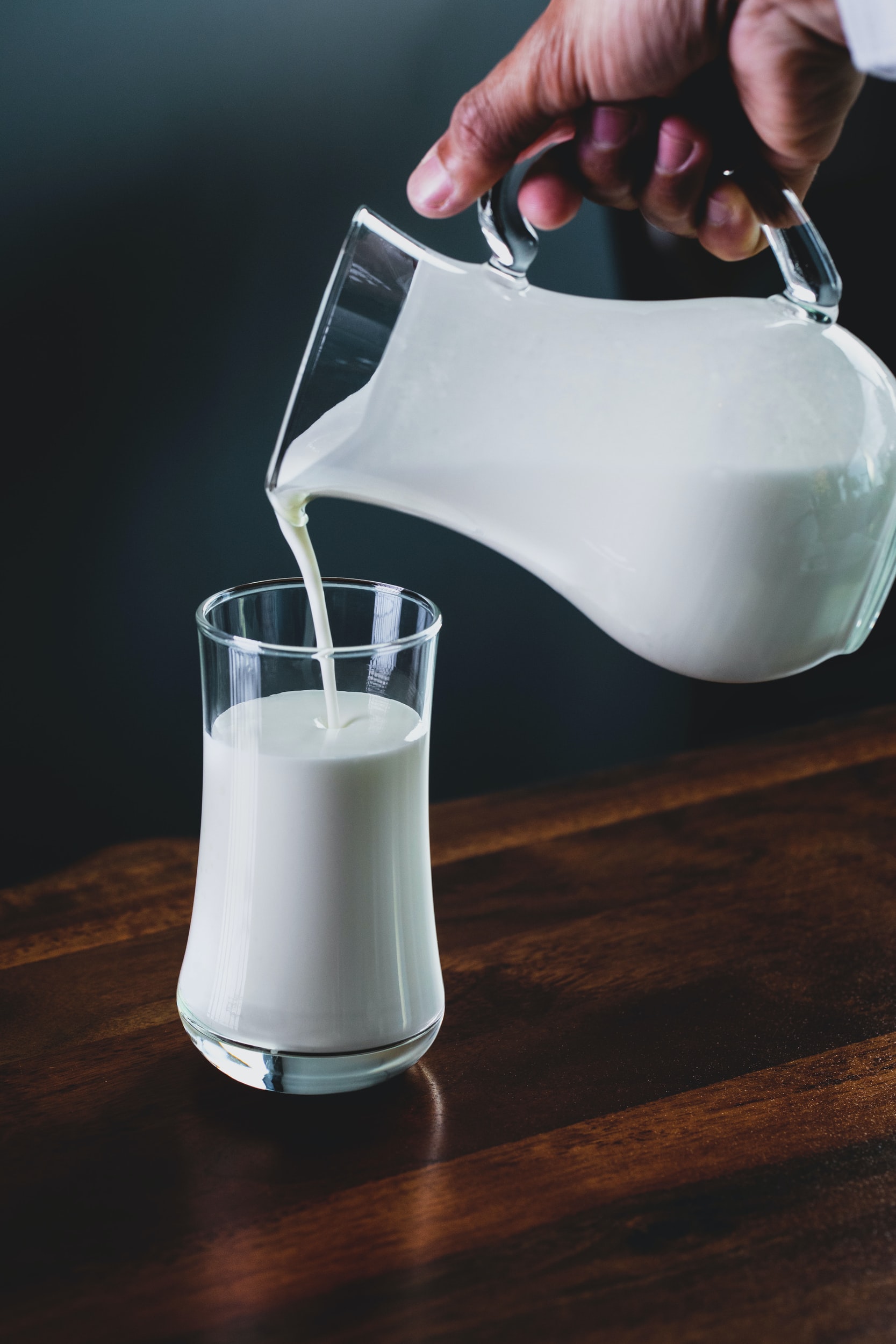
Skip the milk! PCOS is just another hormonal imbalanced issue linked to milk consumption. Infertility, early puberty, acne, and ovarian cancer are all being linked to milk consumption in the research. The verdict is out on cheese consumption. However, limiting all dairy consumption is a good idea where hormone imbalances are involved.
References
1.https://pubmed.ncbi.nlm.nih.gov/25013687/
2. https://pubmed.ncbi.nlm.nih.gov/26225266/
ABOUT THE AUTHOR
Since 2005, Dr Fey has helped women, men, and children find real solutions to their health concerns. She truly believes that giving the proper care and nutrients your body has an amazing ability to heal. She is committed to finding the root cause of illness by utilizing a whole body approach not just focusing solely on presenting symptoms. With her scientific background, Dr Fey uses science based natural approaches to treating disease.
Dr. Amanda Fey is the owner and practicing Naturopathic Doctor at Complementary Medicine & Healing Arts, the Southern Tiers Center for Natural Healthcare located in the Binghamton NY area. The office website is www.naturallywell.us. Dr Fey is currently offering telemedicine for patients all across the US. To contact the office call 607-729-0591 or email cmhahealth@gmail.com.
BEET SALAD WITH FETA CHEESE
(Servings: 4)
Ingredients:
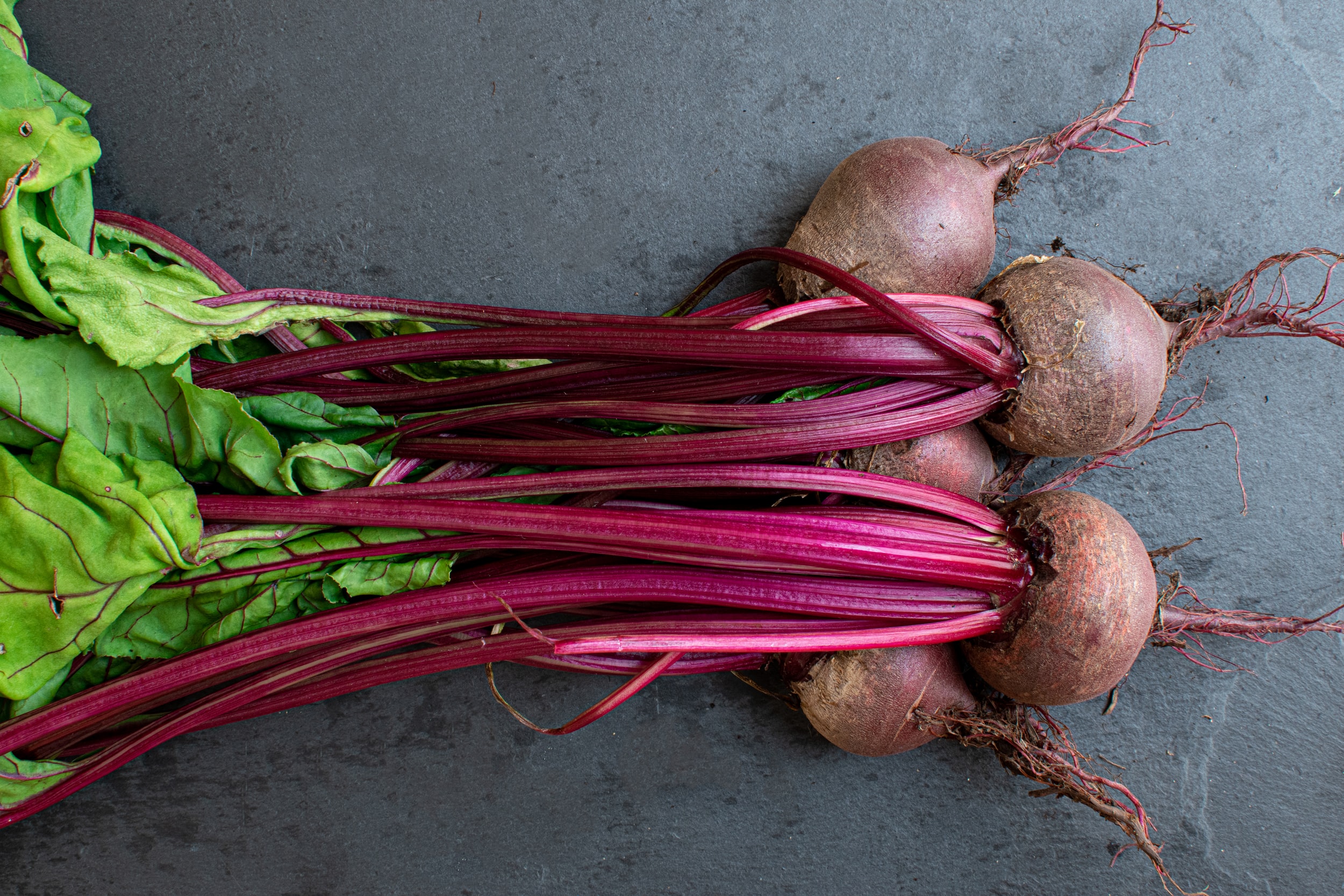
5 red beets
1 lemon (juice)
1/2 cup feta cheese
1/4 cup olive oil
1/4 cup balsamic vinegar
1 shallot or small onion minced
4 green onions chopped
Directions:
Peel and cut beets into cubes and boil until tender, approximately 30 minutes. Drain and cool.
Mix the olive oil, balsamic vinegar, juice from 1 lemon, and shallots, shake vigorously to mix well. In a bowl, add the dressing to the cooled beets.
Top with the feta cheese and green onions. Mix well and serve. (salad is delicious without the feta cheese if you are dairy intolerant, you could also use a dairy free feta cheese replacement)
Bon appetit!
ABOUT THE AUTHOR
Since 2005, Dr Fey has helped women, men, and children find real solutions to their health concerns. She truly believes that giving the proper care and nutrients your body has an amazing ability to heal. She is committed to finding the root cause of illness by utilizing a whole body approach not just focusing solely on presenting symptoms. With her scientific background, Dr Fey uses science based natural approaches to treating disease.
Dr. Amanda Fey is the owner and practicing Naturopathic Doctor at Complementary Medicine & Healing Arts, the Southern Tiers Center for Natural Healthcare located in the Binghamton NY area. The office website is www.naturallywell.us. Dr Fey is currently offering telemedicine for patients all across the US. To contact the office call 607-729-0591 or email cmhahealth@gmail.com.
The standard treatment of endometriosis is dienogest (DNG), a synthetic progestin. Even though DNG can significantly improve the pelvic pain and abdominal cramping associated with endometriosis, irregular bleeding often persists. And unfortunately, if DNG is discontinued the pelvic pain and abdominal cramping comes back full force.
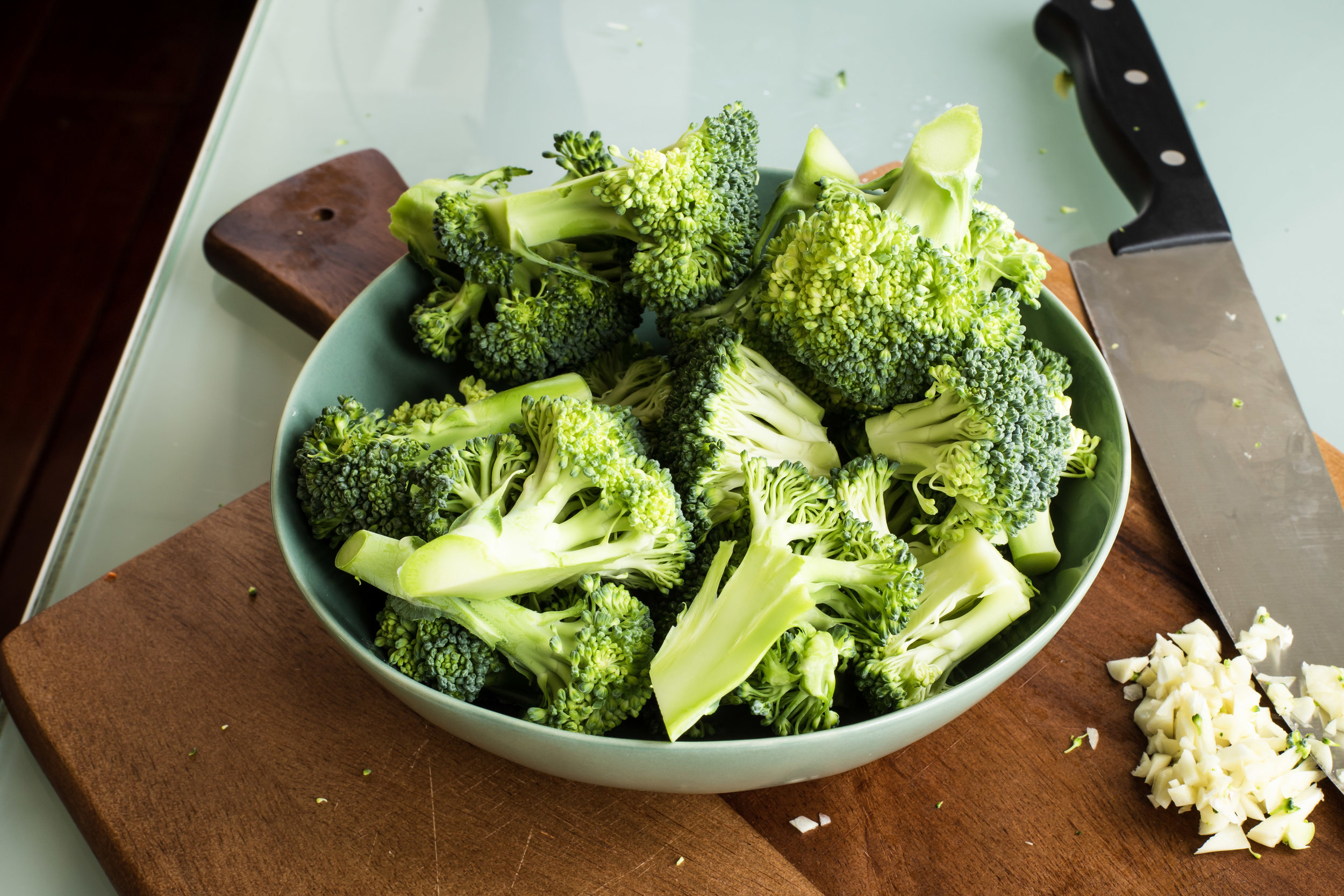
3’,3’ Diindolylmethane (DIM) is a compound found in cruciferous vegetables (broccoli, cabbage, kale, etc). The reputation of the cruciferous family of vegetables on being healthy is mostly due to the DIM compound. A recent study looked at the clinical effects of DIM supplementation, DNG alone, and a combination of DNG and DIM in women with endometriosis.
DNG and DIM both inhibited the growth of endometrial cells. Endometrial tissues from women with and without endometriosis were exposed to DIM, DNG, or both. Endometrial cell life was decreased with DIM supplementation alone (25%) significantly more than with DNG alone (9%) and had a more improved effect when used in combination (40%).
In addition, lower estrogen secretion was accomplished with the combination of the two. In case reports of 10 women, some were given DNG (2 mg daily) for 3 months, while some also received 100 mg DIM three times daily. Pelvic pain improved significantly in both groups. Number of days with no abnormal bleeding were significantly fewer in the DIM + DNG group than in the DNG-only group.
Another example of how naturopathic therapies are effective in treating or complementing conventional treatment of a variety of illnesses. They should not be overlooked when addressing any chronic health issues you may be experiencing.
REFERENCE
https://pubmed.ncbi.nlm.nih.gov/30001982/
ABOUT THE AUTHOR
Since 2005, Dr Fey has helped women, men, and children find real solutions to their health concerns. She truly believes that giving the proper care and nutrients your body has an amazing ability to heal. She is committed to finding the root cause of illness by utilizing a whole body approach not just focusing solely on presenting symptoms. With her scientific background, Dr Fey uses science based natural approaches to treating disease.
Dr. Amanda Fey is the owner and practicing Naturopathic Doctor at Complementary Medicine & Healing Arts, the Southern Tiers Center for Natural Healthcare located in the Binghamton NY area. The office website is www.naturallywell.us. Dr Fey is currently offering telemedicine for patients all across the US. To contact the office call 607-729-0591 or email cmhahealth@gmail.com.
One of the most common experiences of menopause are the changes that occur on the external genital tissue and intra-vaginal tissue, which can also affect urinary function. This is called genitourinary atrophy aka genitourinary syndrome. Many women experience one or more of the following symptoms in their genitourinary system when lacking hormones: vaginal discomfort, itching, burning, dryness, post-coital bleeding, thinning of tissue, bladder leakage, and/or urinary incontinence.
There are many options to address these genitourinary atrophic changes and symptoms. The most common conventional prescription is vaginal estrogen. However, many women do not feel comfortable using estrogen due to a variety of reasons and seek other options including over the counter lubricants, moisturizers, and herbal or nutritional supplements.
A study published in 2019 in the International Urogynecology Journal showed Vitamin E suppositories as an effective alternative to vaginal estrogen cream for relieving the symptoms of vaginal atrophy in postmenopausal women. 52 postmenopausal women aged 40-65 years were randomly divided into two groups: vitamin E vaginal suppository and conjugated estrogen vaginal cream. Participants used the medications for 12 weeks. Improvement after the 12th week showed that the treatment was successful in both groups.
Vitamin E suppositories are excellent alternatives for any women with genitourinary syndrome symptoms. This not only includes postmenopausal women but also women who are not able to use hormone therapy like women diagnosed with hormonal cancers.
REFERENCE
https://pubmed.ncbi.nlm.nih.gov/29971469/
ABOUT THE AUTHOR
Since 2005, Dr Fey has helped women, men, and children find real solutions to their health concerns. She truly believes that giving the proper care and nutrients your body has an amazing ability to heal. She is committed to finding the root cause of illness by utilizing a whole body approach not just focusing solely on presenting symptoms. With her scientific background, Dr Fey uses science based natural approaches to treating disease.
Dr. Amanda Fey is the owner and practicing Naturopathic Doctor at Complementary Medicine & Healing Arts, the Southern Tiers Center for Natural Healthcare located in the Binghamton NY area. The office website is www.naturallywell.us. Dr Fey is currently offering telemedicine for patients all across the US. To contact the office call 607-729-0591 or email cmhahealth@gmail.com.
No one likes to get sick. And unfortunately, this year that feeling is amplified by 1000%! I wanted to share some naturopathic medical suggestions to maintain your health this fall/winter season. There are some simple things you can do and some extra supplements you could take. Here we go!
REMEMBER, LET FOOD BE YOUR MEDICINE!
1. Bring on the ginger!
One of my favorite foods for maintaining wellness during winter is ginger. This warming food has a variety of health benefits for cold winter months. Ginger promotes circulation to help keep the body warm and help your fingers and toes remain toasty. In addition, ginger has wonderful antimicrobial and anti-cough effects!
To incorporate ginger into your diet, try to add it to your stir-frys and soups. To make fresh ginger tea, simply grate a 1-2 inch piece of ginger root and boil in 1.5 cup of water for 10 minutes. Strain before drinking. Because ginger is a root, it needs to be boiled to release its medicinal components. Ginger is also available as a standardized extract.
2. Drink your fluids!
With the dryer air inside and outside, winter makes it particularly challenging to stay hydrated. Fluid is especially important in maintaining a healthy immune system. If drinking water isn’t appealing, get your favorite herbal tea to drink or make your dinners count with using yummy bone or vegetable broths. Be sure to bring a travel mug of water or tea with you everywhere you go to encourage yourself to get plenty of added fluids!
3. Skip the sweets!
This includes the sweet treats and desserts but also refined grain products like white flour that turns quickly into sugar. Studies have shown that refined sugars can suppress your immune system for hours after ingesting,
4. Eat your garlic and onions!
Garlic and onions contain antimicrobial compounds that play an important role in keeping your immune system healthy. In addition, eating the can keep the vampires away :-).
5. Eat your mushrooms!
Another food I sneak in many dishes for lunch or dinner (or even breakfast!) to maintain my family’s health is mushrooms. The more variety the better! The edible mushrooms have immune boosting properties built right in. They have been shown to elevate B and T lymphocytes which are own infection fighting cells. In addition, they are packed with important minerals, antioxidants, and minerals.
LIFESTYLE STRATEGIES TO REMAIN HEALTHY
1. Get adequate sleep!
We ALL know sleep restores and heals the body. As many of you know, my mantra is 7-9 hours per night the majority of the week. If this is something you are not achieving, you should reach out to find ways to optimize your sleep. It’s vital for your health. Without adequate sleep, optimal immune function is next to impossible!
2. SWEAT!
Exercise is so important for your health, and in particular immune health. It’s vital to get 30-40 minutes of exercise 4 days per week. Yes! sweating is important for detoxifying your body but avoid overexertion when you are feeling run down this can actually lower your immune defenses.
SUPPLEMENTS TO TAKE FOR IMMUNITY
This is a HUGE topic and I will only list my top 4 favorites. If you have autoimmune or immunocompromised disease’s I would advise you to seek out a naturopathic doctor who can better tailor a supplement plan for you.
1. Vitamin D3
Optimal Vitamin D status is critical for health immunity and often times can’t be achieved without supplementation during the winter months. It is best to have your 25 OH Vitamin D level check for accurate dosing. Blood levels should be above 30ng/dl; however, optimal levels are closer to 50 ng/dl. The majority of my patients require 4000-5000 ID per day dosing in the winter to reach that optimal number.
A recent study published in Epidemiology and Infection showed that people with Vitamin D deficiency were 11 times more likely to get a cold or the flu, while supplementing with vitamin D can reduce colds and flu by 42%.
2. Astragalus
I love astragalus. It’s an herb that has been used for thousands of years in Traditional Chinese Medicine. It is an adaptogen which mean that it helps protect the body against a variety of stressors, whether it’s physical, mental or emotional. It contains antioxidants, and has antimicrobial properties which protect and support the body’s immune system, for preventing colds and upper respiratory infections. It has also been shown to lower blood pressure, treat diabetes, and protect the liver. What more could you ask for in a herb :-)!
I typically dose Astragalus root extract at 300mg 2x/day for prevention, and increase the dose to 600 mg 2x/day at first sign of illness.
3. Zinc picolinate
Zinc can be amazing for preventing cold or flu symptoms from worsening. I don’t suggest patients to take this supplement daily but instead to take it at the first sign of symptoms. Studies have shown that zinc taken within the first 24 hours of symptoms can shorten the duration of the cold by 33% if taken in dosages >75mg/day (for adults). I wouldn’t suggest long term use of zinc at these high dosages since it can block other minerals from being absorbed. I would also suggest it to be taken with food since it can cause nausea.
4. Elderberry
Consuming elderberry for cold and flu prevention is hardly a new concept, but there is so much research out their proving it to be effective it’s hard not to use this herb during fall and winter season for prevention and treatment. Research has also shown that its anti-viral properties are comparable to Tamiflu (without the awful side effects). It’s also super yummy to taste making it easy to give to kids too! I usually suggest dosing 1-5 mL daily for prevention and then double to triple the dose at the first sign of symptoms.
Here’s to a healthy fall and winter season this year!
References:
https://www.ncbi.nlm.nih.gov/pmc/articles/PMC2870528/?tool=pmcentrez
https://pubmed.ncbi.nlm.nih.gov/23775705/
https://pubmed.ncbi.nlm.nih.gov/19682714/
About the author
Since 2005, Dr Fey has helped women, men, and children find real solutions to their health concerns. She truly believes that giving the proper care and nutrients your body has an amazing ability to heal. She is committed to finding the root cause of illness by utilizing a whole body approach not just focusing solely on presenting symptoms. With her scientific background, Dr Fey uses science based natural approaches to treating disease.
Dr. Amanda Fey is the owner and practicing Naturopathic Doctor at Complementary Medicine & Healing Arts, the Southern Tiers Center for Natural Healthcare located in the Binghamton NY area. The office website is www.naturallywell.us. Dr Fey is currently offering telemedicine for patients all across the US. To contact the office call 607-729-0591 or email cmhahealth@gmail.com.
What is berberine?
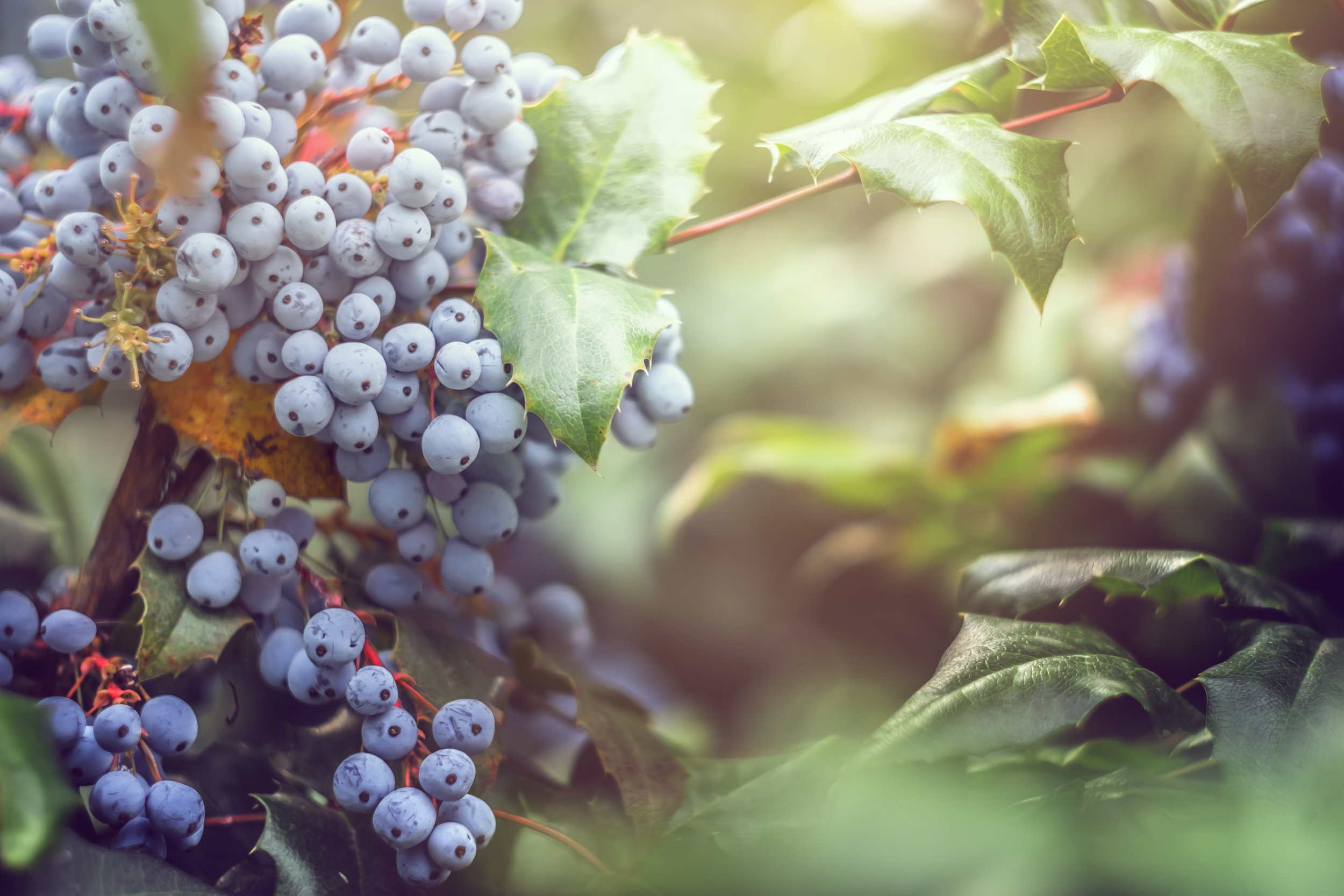
Berberine is a plant extract found in a variety of plants such as Barberry (Berberis vulgaris), Tree tumeric (Berberis aristata), Oregon grape (Mahonia aquifolium), Goldenseal (Hydrastis canadensis), and California poppy (Eschscholzia californica) to name a few. Berberine is usually found in the roots of the plant. Due to its yellow color it has been used historically as a natural dye for wool, leather, and wood. And interestingly, under UV light it has a fluorescent glow making it useful histologically for identifying mast cells, etc.
Berberine and glucose control
In 2008, a study showed that berberine (500mg 3x/day) was as effective as metformin in lowering blood glucose in a 3 month trial. Average levels of hemoglobin A1C dropped from 9.5% to 7.5% vs 9.1% to 7.7% in the metformin group. In another study looking at the hypoglycemic effects of berberine the average levels of hemoglobin A1C dropped from 8.1% to 7.3% proving berberine to be an effective alternative to metformin in Type 2 Diabetes.
Observations
Berberine has long been used to treat gastrointestinal infections in China, and in 1988 was observed to have a hypoglycemic effect as well. The exact mechanism of its glucose metabolism effects is still unknown. It seems as if it has an insulin sensitizing effect in vivo and in vitro. In addition, berberine has been shown to also lower triglyceride, serum cholesterol, and LDL. Making it a very exciting alternative to conventional medications for both diabetes and high cholesterol!
References
https://www.ncbi.nlm.nih.gov/pmc/articles/PMC2410097/
About the author
Since 2005, Dr Fey has helped women, men, and children find real solutions to their health concerns. She truly believes that giving the proper care and nutrients your body has an amazing ability to heal. She is committed to finding the root cause of illness by utilizing a whole body approach not just focusing solely on presenting symptoms. With her scientific background, Dr Fey uses science based natural approaches to treating disease.
Dr. Amanda Fey is the owner and practicing Naturopathic Doctor at Complementary Medicine & Healing Arts, the Southern Tiers Center for Natural Healthcare located in the Binghamton NY area. The office website is www.naturallywell.us. Dr Fey is currently offering telemedicine for patients all across the US. To contact the office call 607-729-0591 or email cmhahealth@gmail.com.
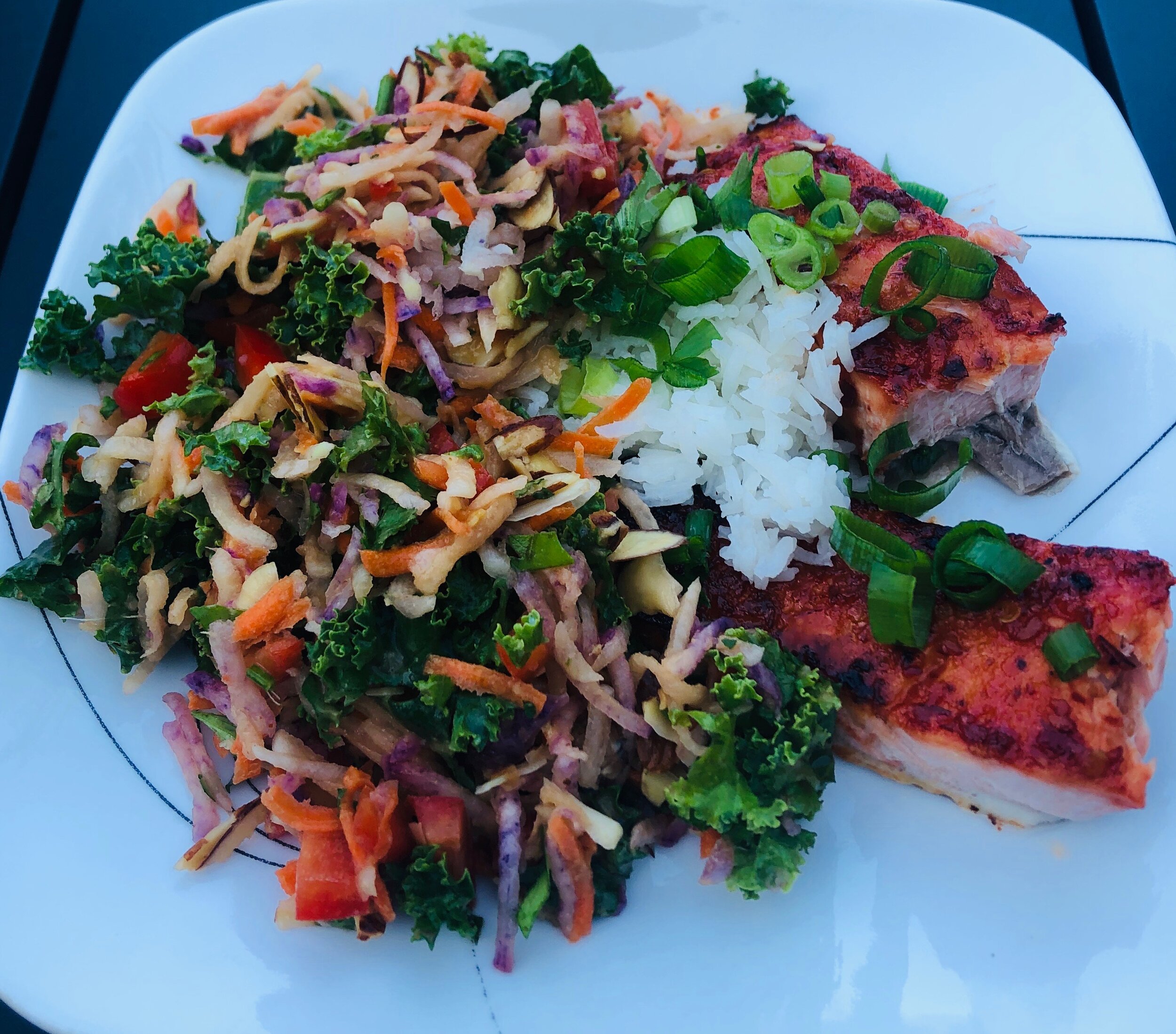
I love experimenting with different recipes during the summer months when our community supported agriculture (CSA) is booming with fresh produce. It keeps me on my toes with learning how to cook different vegetables like kohlrabi or muu radishes. I will post some of my favorite finds this summer. Starting with these two yummy favorites my family loved.
RECIPE #1
THAI SALMON RECIPE
INGREDIENTS:
6 x 6 oz wild salmon fillets, skin on/off
Pinch of salt
1/2 cup + 2 tbsp Thai sweet chili sauce, divided (buy at grocery store Asian section)
2 – 3 tbsp green onions, finely chopped
Cooking spray (I use Misto)
DIRECTIONS:
In a large baking dish, add salmon in a single layer.
Each fillet: sprinkle with a pinch of salt and top with 1 tbsp of Thai sweet chili sauce.
Brush or rub with your fingers to coat fish with sauce evenly on top, bottom and sides. Cover and let marinate in the fridge for at least 2 hours or overnight is the best (up to 24 hours).
Turn on oven’s broiler on High and position top oven rack 5″ – 6″ below the heat source. Line large baking sheet with parchment paper, spray with cooking spray and place salmon fillets skin side down (if any).
Coat with remaining marinade from the dish (if any). Broil for 8 minutes, rotating baking sheet once.
Remove from the oven and brush top of each fillet with 2 tsp of Thai sweet chili sauce.
Return to the oven and broil for another 5 minutes or until salmon has caramelized.Serve hot garnished with green onions, extra sauce (if desired).
RECIPE #2
ASIAN KALE SALAD
INGREDIENTS FOR THE SALAD:
4 cups chopped curly kale, thick stems removed (be sure it's dry)
3 cups prepared shredded red cabbage
2 cups prepared shredded carrots
1 red bell pepper, sliced into bite-sized pieces
3/4 cup slivered almonds
1/2 cup chopped fresh cilantro
INGREDIENTS FOR THE DRESSING:
3 tablespoons creamy peanut butter
3 tablespoons unseasoned rice vinegar
1 tablespoon fresh lime juice, from one lime
3 tablespoons vegetable oil
1 tablespoon soy sauce (use gluten-free if needed)
3 tablespoons honey
1 tablespoon sugar
1 large clove garlic, roughly chopped
1-inch square piece fresh ginger, peeled and roughly chopped
3/4 teaspoon salt
1/2 teaspoon sriracha
1/2 teaspoon toasted sesame oil
DIRECTIONS:
Preheat the oven to 350°F.
Line a baking sheet with parchment paper.
Bake the almonds until lightly golden and fragrant, 5-10 minutes. (Keep a close eye on them; nuts burn quickly.) Let cool.
Combine all of the ingredients for the salad in a large mixing bowl.
Combine all of the ingredients for the dressing in a food processor or blender; process until smooth and creamy.
Pour the dressing over the salad and toss well. Serve immediately.
BON APPETIT!
ABOUT THE AUTHOR
Since 2005, Dr Fey has helped women, men, and children find real solutions to their health concerns. She truly believes that giving the proper care and nutrients your body has an amazing ability to heal. She is committed to finding the root cause of illness by utilizing a whole body approach not just focusing solely on presenting symptoms. With her scientific background, Dr Fey uses science based natural approaches to treating disease.
Dr. Amanda Fey is the owner and practicing Naturopathic Doctor at Complementary Medicine & Healing Arts, the Southern Tiers Center for Natural Healthcare located in the Binghamton NY area. The office website is www.naturallywell.us. Dr Fey is currently offering telemedicine for patients all across the US. To contact the office call 607-729-0591 or email cmhahealth@gmail.com.
Summer is the time for picnics, swimming, and vacation-fun! However, the fun doesn’t come without a price. It’s also the time when the insects are swarming, the sun is sweltering, and the ivy is growing. If you have children, you know that every summer is an adventure filled with bites, scratches, and bumps for them and for you. Even without children, our summer activities often take us outside and into new surroundings. We tend to be more adventurous in the summer and that can lead to a few stiff muscles, a few scratches, and/ or bites in which we normally wouldn't encounter.
Here are some natural remedies to help prepare for the hot days of summer. The remedies listed below can reduce the symptoms of many minor injuries until medical care is found or until it heals on its own. Use your judgment as to the severity of the problem, but if it's minor, these remedies may be helpful. If symptoms persist, seek professional medical advice immediately. Minor symptoms can often be a sign of a more serious underlying condition.
FOR BUMPS AND BRUISES
ARNICA: Arnica is available in both internal and external preparations, and is safe to use for all ages. Useful for reducing swelling and bruising. Look for Arnica gel or cream, as well as the oral preparation of Arnica 12c or 30c potency. Directions: Apply gel/cream every 2-4 hours as needed, do not apply to broken skin. Arnica 12c/30c should be given immediately after the trauma and then 3 times per day for a few days.
COMPRESSES: Apply a cold compress immediately after the trauma for 20 minutes. This will help reduce the amount of bruising. You may also add witch hazel, comfrey, or arnica (pour ½ tsp from a tincture into a pint of cold water). Repeat 2 to 3 times. External use only.
FOR SUNBURNS
COMPRESSES: As soon as you notice a sunburn, cool the affected area by applying a cold towel compress, apply for 20 minutes. You can also apply fresh cucumber juice to the area by mashing cucumber in a bag or a bowl and then applying it.
ALOE VERA: Apply fresh aloe gel from a plant or a prepared gel or juice to unbroken skin. The plant will soothe the pain and burning. Reapply as needed.
HOMEOPATHIC REMEDIES: Apis, cantharis, arnica, or urtica urens are possible remedies used in a 12c or 30c potency. Check a homeopathic guide to see which remedy is appropriate for your symptoms.
HYPERICUM (St. John’s wort): Apply oil or salve to the area a few hours after the burn occurs.
FOR SCRAPES AND SUPERFICIAL WOUNDS
If the wound is gaping and does not appear to be minor, then seek medical attention immediately.
ANTISEPTIC WASH: If bleeding, apply pressure to the area for a few minutes to stop the bleeding. Clean the area well with an antiseptic wash solution using calendula, goldenseal, or witch hazel (1/2 tsp of tincture in a pint of water).
SALVES OR CREAMS: Apply cream or salve made from comfrey, calendula, yarrow or tea tree and cover with a bandage. Use the antiseptic wash once a day to prevent infection.
HOMEOPATHY: Use Arnica as described in the above burns and bruises section.
FOR INSECT BITES AND STINGS
POULTICE: Apply plantain leaves, raw potato slices or raw carrots directly on the bite or with a cheese-cloth for 20 minutes. It will draw out the poison and relieve itching.
COMPRESSES: Apply a compress of distilled witch hazel with a few drops of lavender oil. If you don’t have witch hazel solution on hand then use lemon juice or apple cider vinegar diluted in water.
NATURAL BUG REPELLENT: Using lavender, citronella, eucalyptus and pennyroyal essential oils, mix 15 drops of each with one ounce of almond or olive oil. Use on clothing to avoid repeated skin contact.
HOMEOPATHY: Apis, potency 12c or 30c within 1 hour of bite or sting.
FOR SPLINTERS
BANANAS: Enzymes in banana peels create a drawing action that pulls splinters out of your skin. To use, apply a ripe banana peel (skin side up, pulp side down) to the affected area. Attach using surgical tape before you go to bed and leave it on over night.
SILICEA: Take homeopathic silicea, potency 12c or 30c, three times per day for three days. Specific for extruding foreign material from wounds.
FOR POISON IVY
If you think you have come in contact with poison oak or ivy, immediately wash your clothes and skin with cold, soapy water.
OATMEAL: Make a pot of oatmeal and add to a cool bath and soak for 20- 30 minutes. You may also make a paste from oatmeal and apply it directly to the affected areas. Oatmeal soothes irritated skin and also assists in drawing out the oily exudate.
HOMEOPATHY: Rhus toxicodendron, anacardium, graphites, and sulphur are possible remedies used in a 12c or 30c potency. Check a homeopathic guide to see which remedy is appropriate for your symptoms.
CLAY POULTICE: Use bentonite clay mixed with water and add a few drops of tea tree or lavender essential oil. Apply to the affected areas. Clay will help draw out the irritating oils and soothe the itching.
Enjoy your summer!!!
ABOUT THE AUTHOR
Since 2005, Dr Fey has helped women, men, and children find real solutions to their health concerns. She truly believes that giving the proper care and nutrients your body has an amazing ability to heal. She is committed to finding the root cause of illness by utilizing a whole body approach not just focusing solely on presenting symptoms. With her scientific background, Dr Fey uses science based natural approaches to treating disease.
Dr. Amanda Fey is the owner and practicing Naturopathic Doctor at Complementary Medicine & Healing Arts, the Southern Tiers Center for Natural Healthcare located in the Binghamton NY area. The office website is www.naturallywell.us. Dr Fey is currently offering telemedicine for patients all across the US. To contact the office call 607-729-0591 or email cmhahealth@gmail.com.