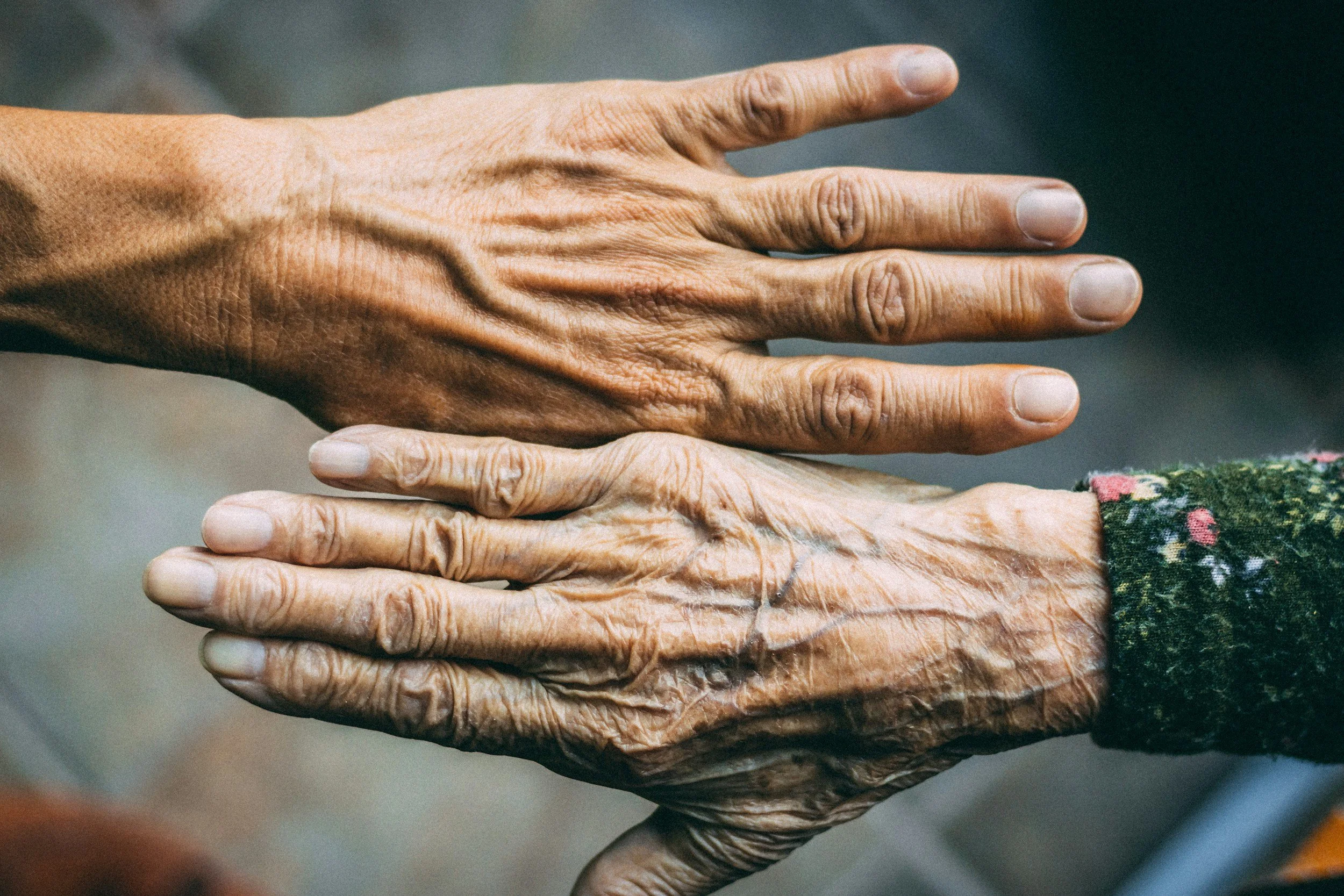
You have probably seen collagen powders and supplements everywhere, but what exactly is collagen and why does it matter as we age?
Collagen is the most abundant protein in the body. Think of it as part of the body's natural framework: it provides strength, structure, and flexibility to your skin, bones, joints, tendons, and other connective tissues.
Why Does Collagen Decrease With Age?
When you are young, your body continually breaks down old collagen and replaces it with new collagen. As you get older, however, collagen production gradually slows.
This change often begins around age 30, with collagen levels declining by roughly 1% per year. The cells responsible for producing collagen become less active with age, while collagen breakdown can increase.
Hormonal changes may also play a role. In women, declining estrogen levels during perimenopause and menopause can contribute to faster collagen loss.
Over time, these changes may become noticeable in the skin, joints, bones, hair, and nails.
What Else Can Affect Collagen?
Aging is natural, but certain lifestyle factors can speed up collagen breakdown. These include:
Excessive sun exposure
Smoking
Diets high in added sugar
Ongoing stress
Poor overall nutrition
Healthy habits can help protect the collagen you already have. Using sun protection, avoiding smoking, managing stress, exercising regularly, and eating a balanced diet are all good places to start.
Can Food Help Your Body Make Collagen?
Yes. Your body makes collagen from amino acids—the building blocks found in protein—along with several important nutrients.
Vitamin C is especially important because your body needs it to produce collagen. Good sources include oranges, strawberries, kiwi, bell peppers, broccoli, and tomatoes.
Protein-rich foods such as chicken, fish, eggs, beans, and soy provide amino acids used to make collagen. Foods such as bone broth, fish skin, chicken skin, and connective-tissue-rich cuts of meat also contain collagen. Zinc and copper, found in foods such as nuts, seeds, and shellfish, also support normal collagen production.
What About Collagen Supplements?
Hydrolyzed collagen peptides are collagen proteins that have been broken into smaller pieces that are easier to digest and absorb.
Research suggests collagen peptides may offer benefits for areas such as skin elasticity and hydration, joint comfort, and bone health, although results can vary and research is still evolving.
Collagen powders are typically easy to add to drinks or foods such as coffee, smoothies, oatmeal, or soups. If you choose to take collagen, remember that a supplement should complement—not replace a nutritious diet and healthy lifestyle.
The Bottom Line
Collagen plays an important role throughout the body, and producing less of it is a normal part of aging. While you cannot completely prevent this natural decline, healthy habits can support your body's ability to make and maintain collagen.
Focus on getting enough protein and vitamin C, protect your skin from excessive sun exposure, avoid smoking, exercise regularly, and eat a varied, nutrient-rich diet.
If you are considering a collagen or vitamin supplement, talk with your health-care professional. They can help you decide whether it makes sense for your individual needs and health goals.
ABOUT THE AUTHOR
Since 2005, Dr. Fey has helped women, men, and children find real solutions to their health concerns. She truly believes that giving the proper care and nutrients your body has an amazing ability to heal. She is committed to finding the root cause of illness by utilizing a whole body approach not just focusing solely on presenting symptoms. With her scientific background, Dr. Fey uses science based natural approaches to treating disease.
Dr. Amanda Fey is the owner and practicing Naturopathic Doctor at Complementary Medicine & Healing Arts, the Southern Tiers Center for Natural Healthcare located in the Binghamton NY area. The office website is www.naturallywell.us. Dr. Fey is currently offering telemedicine for patients all across the US. To contact the office, call 607-729-0591 or email cmhahealth@gmail.com.
For weekly health tips, check out Dr. Fey’s social media pages! She’s on Instagram: @drfeynd and Facebook: Dr. Amanda Fey, ND.